French
Portuguese
Russian
German
Spanish
Japanese
Korean
Irish
Greek
Turkish
Italian
Danish
Romanian
Indonesian
Czech
Afrikaans
Swedish
Polish
Basque
Catalan
Esperanto
Hindi
Lao
Albanian
Amharic
Armenian
Azerbaijani
Belarusian
Bengali
Bosnian
Bulgarian
Cebuano
Chichewa
Corsican
Croatian
Dutch
Estonian
Filipino
Finnish
Frisian
Galician
Georgian
Gujarati
Haitian
Hausa
Hawaiian
Hebrew
Hmong
Hungarian
Icelandic
Igbo
Javanese
Kannada
Kazakh
Khmer
Kurdish
Kyrgyz
Latin
Latvian
Lithuanian
Luxembourg
Macedoniar
Malagasy
Malay
Malayalam
Maltese
Maori
Marathi
Mongolian
Burmese
Nepali
Norwegian
Pashto
Persian
Punjabi
Serbian
Sesotho
Sinhala
Slovak
Slovenian
Somali
Samoan
Scots Gaelic
Shona
Sindhi
Sundanese
Swahili
Tajik
Tamil
Telugu
Thai
Ukrainian
Urdu
Uzbek
Vietnamese
Welsh
Xhosa
Yiddish
Yoruba
Zulu
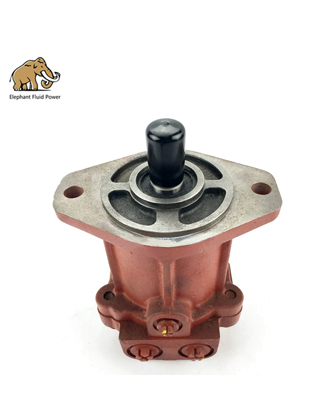
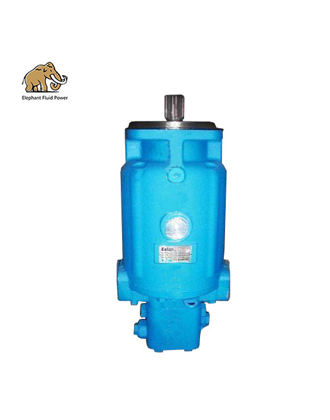
The A10VSO pump is a variable displacement axial piston pump.
Features:
1. High efficiency: It is designed to provide efficient power transmission, minimizing energy losses.
2. Variable displacement: Allows for flexible control of flow and pressure, adapting to different operating requirements.
3. Compact design: Takes up less space, making it suitable for installation in various applications.
4. Reliable performance: Known for its durability and stability, ensuring long-term operation.
Applications:
1. Construction machinery: Used in excavators, loaders, and concrete pumps for hydraulic power.
2. Industrial applications: Found in manufacturing processes that require precise control of fluid flow and pressure.
3. Mobile machinery: Such as agricultural and mining equipment.
Here are some ways to maintain the A10VSO pump:
Regular Inspection
1. Visual inspection: Periodically check the pump for any visible signs of damage, such as cracks, leaks, or loose connections. Inspect the hoses and fittings as well.
2. Sound check: Listen for any abnormal noises coming from the pump. Unusual sounds could indicate internal wear or damage.
3. Pressure and flow monitoring: Use pressure gauges and flow meters to monitor the pump's output. Deviations from normal values may signal a problem.
Hydraulic Fluid Management
1. Use proper fluid: Ensure that the correct hydraulic fluid is used as specified by the manufacturer. Using the wrong fluid can lead to poor performance and potential damage.
2. Fluid cleanliness: Keep the hydraulic fluid clean by using filters and regularly checking for contamination. Contaminated fluid can damage the pump's internal components.
3. Fluid level maintenance: Check the fluid level regularly and top up as needed. Low fluid levels can cause cavitation and damage to the pump.
Operating Conditions
1. Avoid overloading: Do not operate the pump beyond its rated capacity. Overloading can lead to excessive wear and premature failure.
2. Temperature control: Keep the operating temperature within the recommended range. High temperatures can degrade the fluid and damage the pump. Provide proper cooling if necessary.
3. Smooth operation: Avoid sudden starts, stops, and shocks to the pump. Gentle operation helps prolong its life.
Periodic Maintenance
1. Filter replacement: Replace the hydraulic filters at regular intervals as recommended by the manufacturer.
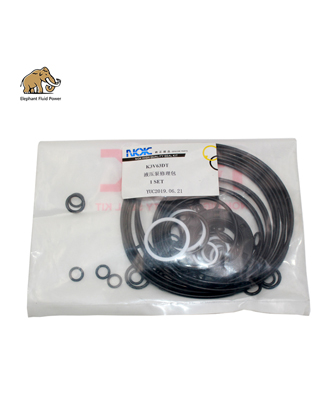
2. Seal inspection and replacement: Check the seals for wear and replace them if necessary. Leaking seals can lead to fluid loss and reduced performance.
3. Lubrication: Some parts of the pump may require lubrication. Follow the manufacturer's instructions for lubrication points and intervals.
4. Professional servicing: Consider having the pump serviced by a qualified technician at regular intervals. They can perform more in-depth inspections and maintenance tasks.
Rexroth A10VSO series 31
A10VSO manual