French
Portuguese
Russian
German
Spanish
Japanese
Korean
Irish
Greek
Turkish
Italian
Danish
Romanian
Indonesian
Czech
Afrikaans
Swedish
Polish
Basque
Catalan
Esperanto
Hindi
Lao
Albanian
Amharic
Armenian
Azerbaijani
Belarusian
Bengali
Bosnian
Bulgarian
Cebuano
Chichewa
Corsican
Croatian
Dutch
Estonian
Filipino
Finnish
Frisian
Galician
Georgian
Gujarati
Haitian
Hausa
Hawaiian
Hebrew
Hmong
Hungarian
Icelandic
Igbo
Javanese
Kannada
Kazakh
Khmer
Kurdish
Kyrgyz
Latin
Latvian
Lithuanian
Luxembourg
Macedoniar
Malagasy
Malay
Malayalam
Maltese
Maori
Marathi
Mongolian
Burmese
Nepali
Norwegian
Pashto
Persian
Punjabi
Serbian
Sesotho
Sinhala
Slovak
Slovenian
Somali
Samoan
Scots Gaelic
Shona
Sindhi
Sundanese
Swahili
Tajik
Tamil
Telugu
Thai
Ukrainian
Urdu
Uzbek
Vietnamese
Welsh
Xhosa
Yiddish
Yoruba
Zulu
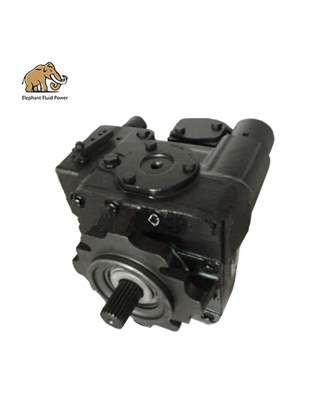
As core equipment for material handling in mines, mining dump trucks operate continuously around the clock under full load, traveling back and forth over rough terrain. The stability of their hydraulic lifting systems directly determines mining transportation efficiency and production progress. The A11VO hydraulic pumps used in these systems are constantly subjected to extreme operating conditions—including high loads, intense vibration, and high dust levels—making them highly prone to frequent, latent faults such as insufficient lifting power under heavy loads, pressure retention failure, and slow unloading. This article provides a detailed analysis of fault symptoms, root causes, standardized maintenance procedures, and key daily preventive maintenance measures, offering precise guidance for the operation and maintenance of mining equipment.
The specific symptoms of this malfunction are fairly consistent: when the mine car is unloaded, the lifting operation is generally normal, with no noticeable jerking; however, when fully loaded with ore, the lifting speed slows significantly, pressure builds up slowly, and in severe cases, lifting stops, the system automatically relieves pressure and the car drops, making it impossible to complete normal unloading operations. The malfunction persists even after repeatedly starting and stopping the equipment, and the problem becomes increasingly apparent as operating time increases. This is a high-frequency, latent malfunction in the A11VO hydraulic pump at the mine.
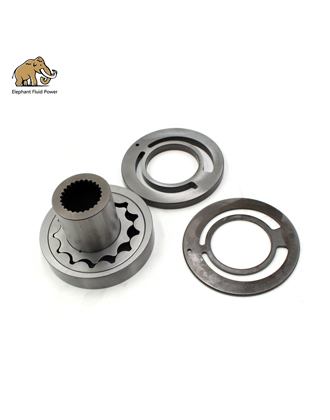
The core causes of this failure center on two major factors—operational fatigue and system contamination—which differ from the failure logic typical of ordinary construction machinery. First, mining trucks operate under high-frequency, alternating loads over extended periods, causing the internal pressure of the hydraulic pump to remain at peak levels for long periods. This leads to spring fatigue in the pressure control valve and slight sticking of the valve spool, preventing the system from establishing the rated operating pressure and significantly reducing its ability to maintain pressure under heavy loads. Second, the mining environment is extremely dusty. As the seals in the hydraulic system age, contaminants easily infiltrate the oil lines, causing slight wear on core precision components such as pistons and distribution plates, and resulting in excessive internal leakage within the pump housing. This accelerated internal fluid loss manifests externally as insufficient lifting power under full load and failure to maintain pressure.
To address this malfunction, follow the standardized maintenance procedure. First, shut down the machine to inspect the quality of the hydraulic fluid and the cleanliness of the hydraulic lines. Promptly replace any hydraulic fluid that has deteriorated or contains contaminants, and replace clogged filter elements. Thoroughly clean oil residue adhering to the pilot valve spool and damping orifices to resolve issues such as clogged lines and stuck valve spools. Next, use specialized equipment to calibrate the system’s pressure parameters and correct any deviations caused by vibration or fatigue. Finally, disassemble and inspect the pump housing’s sealing assemblies and key wear components. Minor wear can be corrected through precision grinding; however, if seals are aged or components are severely worn, replace them with genuine manufacturer parts. After repairs are completed, conduct a no-load test run and a full-load pressure test. Only after confirming that the pressure is stable and lifting functions are normal should the equipment be put back into service.
Proper daily maintenance is key to preventing recurring failures. During daily operations, regularly inspect the hydraulic lines for leaks to prevent dust and moisture from entering the oil circuit and maintain the cleanliness of the hydraulic system. Avoid subjecting the equipment to prolonged full-load operation under high pressure or frequent, continuous start-stop cycles to minimize damage to the pump caused by alternating loads. Regularly check the system’s operating pressure, promptly calibrate any deviations, and replace aging seals in advance to prevent lifting power failures at their source.
Elephant Hydraulic specializes in supplying A11VO hydraulic pumps for mining equipment and has conducted in-depth research into failures in mining truck operating conditions. All products undergo rigorous mining fatigue and pressure tests, ensuring they are effectively suited for high-frequency, heavy-load transport operations in mining environments and reducing the likelihood of common failures—such as lifting and pressure relief issues—at the product level.
aa11vo Rexroth ra data sheet
a11vo pdf
rexroth a11vo repair manual pdf
a11vlo Rexroth pdf
rexroth a11vo pump pdf
rexroth a11vlo service manual
a11vo rexroth pump
bosch rexroth a11vo manual