French
Portuguese
Russian
German
Spanish
Japanese
Korean
Irish
Greek
Turkish
Italian
Danish
Romanian
Indonesian
Czech
Afrikaans
Swedish
Polish
Basque
Catalan
Esperanto
Hindi
Lao
Albanian
Amharic
Armenian
Azerbaijani
Belarusian
Bengali
Bosnian
Bulgarian
Cebuano
Chichewa
Corsican
Croatian
Dutch
Estonian
Filipino
Finnish
Frisian
Galician
Georgian
Gujarati
Haitian
Hausa
Hawaiian
Hebrew
Hmong
Hungarian
Icelandic
Igbo
Javanese
Kannada
Kazakh
Khmer
Kurdish
Kyrgyz
Latin
Latvian
Lithuanian
Luxembourg
Macedoniar
Malagasy
Malay
Malayalam
Maltese
Maori
Marathi
Mongolian
Burmese
Nepali
Norwegian
Pashto
Persian
Punjabi
Serbian
Sesotho
Sinhala
Slovak
Slovenian
Somali
Samoan
Scots Gaelic
Shona
Sindhi
Sundanese
Swahili
Tajik
Tamil
Telugu
Thai
Ukrainian
Urdu
Uzbek
Vietnamese
Welsh
Xhosa
Yiddish
Yoruba
Zulu
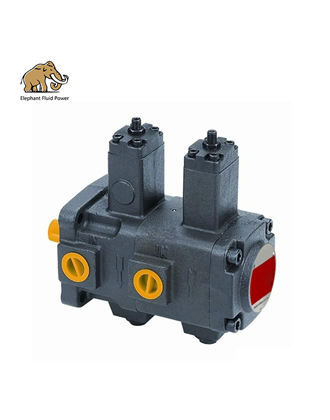
In the world of industrial machinery, there are countless types of pumps that are essential for transferring liquids and fluids. One popular choice among many industries is the low pressure vane pump. These pumps are known for their efficiency and reliability, making them a top choice for a wide range of applications. In this blog, we will explore how low pressure vane pumps work and why they are such a valuable asset to countless industries.
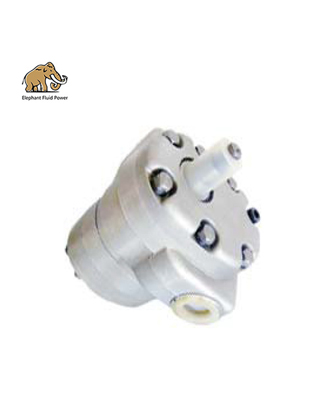
A low pressure vane pump is a type of positive displacement pump that uses rotating vanes to create suction and draw fluid into the pump. The vanes are typically made of a durable material such as steel or graphite, and are attached to a central rotor. As the rotor spins, the vanes move in and out of the pump cavity, creating a partial vacuum that draws fluid into the pump.
The operation of a low pressure vane pump is relatively simple yet incredibly effective. As the rotor spins, the vanes extend and retract, creating chambers of varying sizes within the pump. As the vanes move, they come into contact with the fluid being pumped, creating suction and drawing the fluid into the pump. Once the fluid is inside the pump, the vanes continue to rotate, forcing the fluid through the pump and out into the desired system or application.
One of the key advantages of low pressure vane pump is their ability to operate at low pressures without sacrificing performance. This makes them ideal for applications where high pressures are not necessary, such as lubrication systems, cooling systems, or fuel transfer systems. Additionally, low pressure vane pumps are known for their smooth and consistent flow rates, making them a reliable choice for a wide range of applications.
There are several key benefits to using low pressure vane pumps in industrial applications. Some of the most notable advantages include:
Efficiency: Low pressure vane pumps are highly efficient, with minimal energy loss during operation. This can help companies save on energy costs and reduce their overall carbon footprint.
Reliability: Low pressure vane pumps are known for their long lifespan and durability. With proper maintenance, these pumps can provide years of reliable service, making them a cost-effective choice for many industries.
Versatility: Low pressure vane pumps are incredibly versatile, with the ability to handle a wide range of fluids and viscosities. This makes them a popular choice for industries that require flexibility in their pumping systems.
Low Maintenance: Despite their complex operation, low pressure vane pumps require minimal maintenance to keep them running smoothly. This can help reduce downtime and increase overall efficiency in industrial operations.
Low-pressure vane pumps are a valuable asset to countless industries due to their efficiency, reliability, and versatility. Whether used in lubrication systems, cooling systems, or fuel transfer systems, these pumps are an essential component of many industrial applications. By understanding how low pressure vane pumps work and the benefits they offer, companies can make informed decisions when choosing a pumping system for their operations. With their long lifespan, minimal maintenance requirements, and consistent performance, low pressure vane pumps are a top choice for companies looking to optimize their pumping systems.