French
Portuguese
Russian
German
Spanish
Japanese
Korean
Irish
Greek
Turkish
Italian
Danish
Romanian
Indonesian
Czech
Afrikaans
Swedish
Polish
Basque
Catalan
Esperanto
Hindi
Lao
Albanian
Amharic
Armenian
Azerbaijani
Belarusian
Bengali
Bosnian
Bulgarian
Cebuano
Chichewa
Corsican
Croatian
Dutch
Estonian
Filipino
Finnish
Frisian
Galician
Georgian
Gujarati
Haitian
Hausa
Hawaiian
Hebrew
Hmong
Hungarian
Icelandic
Igbo
Javanese
Kannada
Kazakh
Khmer
Kurdish
Kyrgyz
Latin
Latvian
Lithuanian
Luxembourg
Macedoniar
Malagasy
Malay
Malayalam
Maltese
Maori
Marathi
Mongolian
Burmese
Nepali
Norwegian
Pashto
Persian
Punjabi
Serbian
Sesotho
Sinhala
Slovak
Slovenian
Somali
Samoan
Scots Gaelic
Shona
Sindhi
Sundanese
Swahili
Tajik
Tamil
Telugu
Thai
Ukrainian
Urdu
Uzbek
Vietnamese
Welsh
Xhosa
Yiddish
Yoruba
Zulu
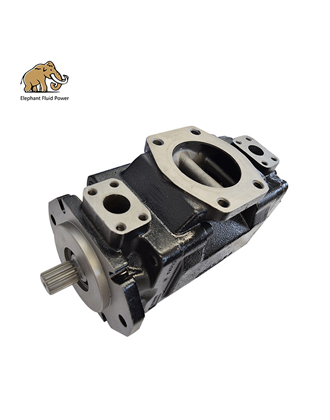
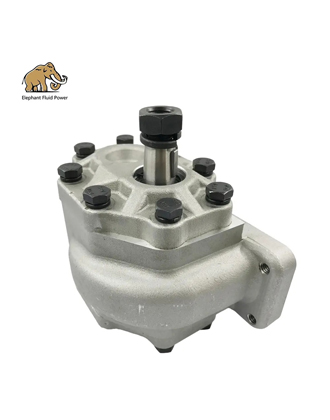
JCB pump usually refers to JCB brand pumps, JCB is a well-known construction machinery and agricultural machinery manufacturer, its pumps are widely used in all kinds of machinery and equipment, the following is the introduction of JCB pumps:
First, common types
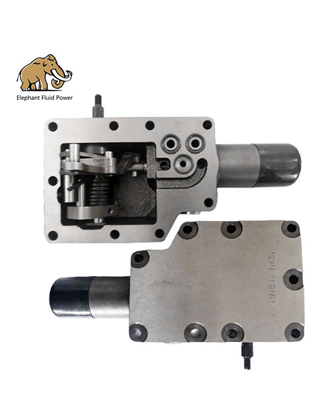
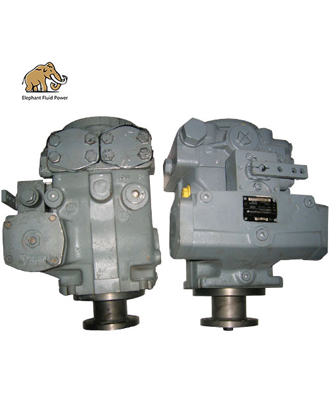
1. Hydraulic pump: It is a common type of pump in JCB machinery, which is used to provide power for the hydraulic system, drive various hydraulic components, such as hydraulic cylinders, hydraulic motors, etc., to realize various actions of machinery, such as digging, lifting, steering, etc.
2. Fuel pump: responsible for transporting fuel from the fuel tank to the engine, ensuring that the engine can get enough fuel supply to operate normally, such as JCB fuel lift pump, there are different part numbers for a variety of JCB models.
Second, Features
1. High reliability: Using high-quality materials and advanced manufacturing technology, it can operate stably in harsh working environments, reduce the probability of failure, reduce maintenance costs and downtime.
2. Excellent performance: reasonable design, high work efficiency and pressure output, can meet the needs of various high-intensity operations of JCB machinery and equipment.
3. Strong adaptability: specially designed for all kinds of JCB's mechanical equipment, with good compatibility with the overall system of the equipment, easy to install, to ensure that the overall performance of the equipment can be fully utilized.
Third, Applications
1. Construction machinery field: It is widely used in JCB's excavators, loaders, bulldozers and other construction machinery to provide power support for the working devices and walking systems of these equipment.
2. Agricultural machinery field: It is also used in JCB's tractors, harvesters and other agricultural machinery, which are used to drive various working parts of agricultural machinery, such as headers, conveying devices, etc.
Fourth, the common problems and faults of JCB pumps mainly include the following categories:
Failure to start or high start-up load
Possible causes:
The power supply or prime mover is abnormal, such as poor connection of the joint, poor contact of the switch, fuse blow, three-phase power supply lack of phase, etc.
Mechanical failure of the pump itself, such as the packing is too tight, the impeller and the pump body are stuck by debris, the pump shaft is rusted or bent, etc.
Exclusion Method:
Check the power supply and prime mover, and repair problems such as open circuit and poor contact.
Loosen the packing, dredge the diversion tank, disassemble the pump body to remove debris, remove rust, or calibrate and replace the pump shaft.
The pump heats up
Possible causes:
The bearing is damaged or the clearance is too small.
The pump shaft is bent or the two shafts are not concentricity.
The tape is too tight or the oil quality is not good, and there is a lack of oil.
The impeller balance hole is clogged and the balance is lost.
Exclusion Method:
Replace the bearing or adjust the clearance.
Straighten the pump shaft or adjust the concentricity of the two axes.
Adjust the tightness of the tape appropriately and add clean butter.
Clear the blockage in the balance hole.
Unable to absorb water or insufficient flow
Possible causes:
There is air in the pump body or air in the inlet pipe.
The foot valve is not closed tightly or the irrigation and diversion are not satisfied.
The packing of the vacuum pump is seriously leaking or the gate valve and door are not closed tightly.
The impeller and sealing ring are damaged or the number of revolutions is insufficient.
Exclusion Method:
Drain the air in the pump and fill it with water before turning it on.
Check and repair the foot valve to ensure that the water is full.
Replace the packing of the vacuum pump, check and tighten the gate valve, and tap the door.
Replace the impeller or seal with a new one and increase the speed.
JCB hydraulic pumps
JCB hydraulic pump for sale
JCB hydraulic pump price