French
Portuguese
Russian
German
Spanish
Japanese
Korean
Irish
Greek
Turkish
Italian
Danish
Romanian
Indonesian
Czech
Afrikaans
Swedish
Polish
Basque
Catalan
Esperanto
Hindi
Lao
Albanian
Amharic
Armenian
Azerbaijani
Belarusian
Bengali
Bosnian
Bulgarian
Cebuano
Chichewa
Corsican
Croatian
Dutch
Estonian
Filipino
Finnish
Frisian
Galician
Georgian
Gujarati
Haitian
Hausa
Hawaiian
Hebrew
Hmong
Hungarian
Icelandic
Igbo
Javanese
Kannada
Kazakh
Khmer
Kurdish
Kyrgyz
Latin
Latvian
Lithuanian
Luxembourg
Macedoniar
Malagasy
Malay
Malayalam
Maltese
Maori
Marathi
Mongolian
Burmese
Nepali
Norwegian
Pashto
Persian
Punjabi
Serbian
Sesotho
Sinhala
Slovak
Slovenian
Somali
Samoan
Scots Gaelic
Shona
Sindhi
Sundanese
Swahili
Tajik
Tamil
Telugu
Thai
Ukrainian
Urdu
Uzbek
Vietnamese
Welsh
Xhosa
Yiddish
Yoruba
Zulu
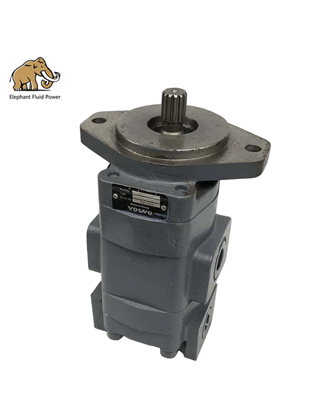
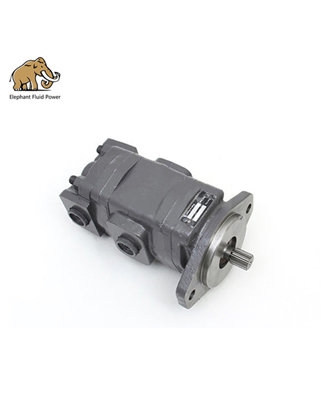
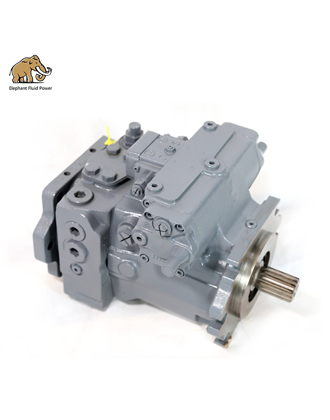
Hydraulic pump parts are an important component of the normal operation of the hydraulic pump, and the following is a detailed introduction to it.
First, Introduction to hydraulic pumps
A hydraulic pump is an energy conversion device in the hydraulic system, which is able to convert mechanical energy into the pressure energy of the liquid, thereby providing power to the hydraulic system. There are many types of hydraulic pumps, the common ones are gear pumps, piston pumps, vane pumps, etc., each of which has different structures and working principles.
Second, the classification of hydraulic pump parts
Hydraulic pump parts mainly include the following categories:
1. Pump body: It is the main part of the hydraulic pump, usually made of cast iron or cast steel, with enough strength and rigidity to withstand the working pressure and the corrosion of the liquid.
2. Impeller or plunger: It is a key component in a hydraulic pump that conveys liquids through rotating or reciprocating motion. Impellers are commonly used in centrifugal pumps, while plungers are used in piston pumps.
3. Bearings and seals: Bearings are used to support the rotation of the pump shaft and rotor, and seals are used to prevent fluid leakage. The material and performance of these fittings are critical to the operational efficiency and longevity of a hydraulic pump.
4. Coupling and transmission: The coupling is used to connect the pump shaft to the power source (such as a motor or engine), and the transmission device is used to adjust the speed and torque of the pump shaft.
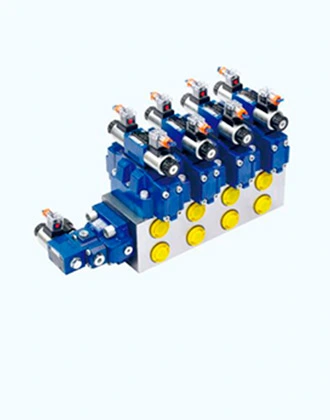
5. Solenoid valve and filter: Solenoid valve is used to control the pressure and flow of the hydraulic system, and the filter is used to filter impurities and particles in the liquid to protect the hydraulic pump and the entire hydraulic system.
Third, Purchase and maintenance of hydraulic pump parts
When purchasing hydraulic pump parts, you need to consider the following points:
1. The model and specification of the parts: it should be matched with the original hydraulic pump to ensure the accuracy of installation and use.
2. The material and performance of the parts: it should be selected according to the working environment and the nature of the medium to ensure the corrosion resistance and wear resistance of the accessories.
3. Brands and suppliers: Choose brands with good reputation and after-sales service to ensure the quality and reliability of parts.
When using and maintaining hydraulic pump parts, pay attention to the following points:
1. Regular inspection: check the wear and tear of the parts, sealing performance and connection status, and find and deal with potential problems in time.
2. Timely replacement: Parts with serious wear and tear should be replaced in time so as not to affect the performance and life of the hydraulic pump.
3. Keep it clean: Regularly clean up parts and surrounding debris to keep the working environment clean and tidy.
Hydraulic pump parts list
Hydraulic pump replacement parts
Mechanical hydraulic pump parts