French
Portuguese
Russian
German
Spanish
Japanese
Korean
Irish
Greek
Turkish
Italian
Danish
Romanian
Indonesian
Czech
Afrikaans
Swedish
Polish
Basque
Catalan
Esperanto
Hindi
Lao
Albanian
Amharic
Armenian
Azerbaijani
Belarusian
Bengali
Bosnian
Bulgarian
Cebuano
Chichewa
Corsican
Croatian
Dutch
Estonian
Filipino
Finnish
Frisian
Galician
Georgian
Gujarati
Haitian
Hausa
Hawaiian
Hebrew
Hmong
Hungarian
Icelandic
Igbo
Javanese
Kannada
Kazakh
Khmer
Kurdish
Kyrgyz
Latin
Latvian
Lithuanian
Luxembourg
Macedoniar
Malagasy
Malay
Malayalam
Maltese
Maori
Marathi
Mongolian
Burmese
Nepali
Norwegian
Pashto
Persian
Punjabi
Serbian
Sesotho
Sinhala
Slovak
Slovenian
Somali
Samoan
Scots Gaelic
Shona
Sindhi
Sundanese
Swahili
Tajik
Tamil
Telugu
Thai
Ukrainian
Urdu
Uzbek
Vietnamese
Welsh
Xhosa
Yiddish
Yoruba
Zulu
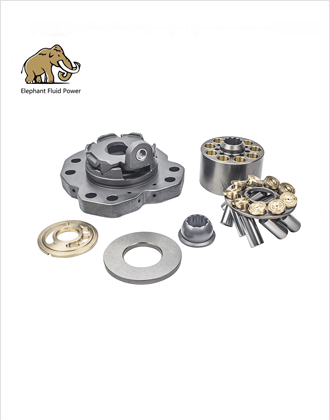
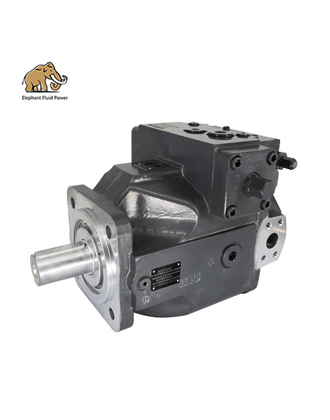
The reliability and efficiency of hydraulic systems hinge on the quality of their components, and hydraulic spare parts are no exception. Selecting the right hydraulic spare parts is crucial for maintaining system integrity and minimizing downtime. In this blog, we'll provide you with a comprehensive guide to help you navigate the process of selecting the ideal hydraulic spare parts for your specific needs.
Before diving into the selection process, it's essential to assess the compatibility of the hydraulic spare parts with your existing system. Gather information on the specific part numbers of the components you need to replace. This information ensures that you're sourcing the correct spare parts. Ensure that the specifications of the spare parts match those of the components they are replacing. This includes dimensions, materials, pressure ratings, and flow capacities. Refer to te manufacturer's recommendations for spare parts. Some manufacturers provide guidelines on compatible spare parts that are tested and approved for use in their systems.
Sourcing high-quality hydraulic spare parts is essential to ensure optimal system performance and longevity. Choose suppliers with a solid reputation for providing genuine, high-quality spare parts. Reputable suppliers prioritize authenticity and quality assurance. Opt for genuine components from reputable manufacturers. Genuine spare parts are designed to match the original components, ensuring compatibility and reliable performance. Inquire about the supplier's quality assurance processes. Ask about their testing procedures and certifications that guarantee the spare parts meet industry standards.
Supplier support and expertise are crucial for selecting and utilizing the right hydraulic spare parts. Choose suppliers with a dedicated technical support team. A responsive team can assist with inquiries, recommend suitable spare parts, and provide guidance on installation and maintenance. Check if the supplier provides detailed documentation for the spare parts, including specifications, installation instructions, and compatibility guidelines. Engage with the supplier's technical team to discuss your system's requirements. Expert guidance can help you identify the most suitable spare parts for your specific application.
Balancing cost and value is essential when selecting hydraulic spare parts. While cost is a factor, prioritize value over the cheapest option. High-quality spare parts might have a higher upfront cost but offer better long-term performance and cost-effectiveness. Consider the total cost of ownership, which includes factors such as maintenance, downtime, and potential system failures. Investing in quality spare parts can lead to lower total costs over time. Inquire about the supplier's warranty and return policies for spare parts. A supplier that stands behind their products with warranty coverage offers added confidence in the parts' quality. Keep comprehensive documentation of spare parts, including part numbers, specifications, and usage history. Implement a tracking system to monitor spare parts usage and replacements. Categorize spare parts based on type, function, and criticality. This categorization simplifies the retrieval process during repairs and maintenance.
The selection of hydraulic spare parts is a process that demands careful consideration, research, and attention to detail. By assessing compatibility, sourcing quality components, evaluating supplier support, considering cost and value, and maintaining an organized inventory, you can ensure that your hydraulic systems continue to operate reliably and efficiently. The investment in high-quality hydraulic spare parts not only minimizes downtime but also contributes to the overall success and productivity of your operations.