Elephant Fluid Power Co., Ltd.

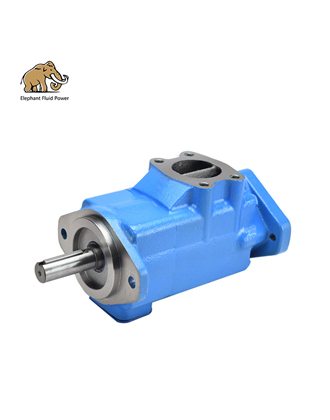
K3V hydraulic pump

The K3V hydraulic pump is an axial piston pump commonly used in construction machinery and other fields. Below are its general maintenance steps:


First, Preliminary Preparation

1. Safety precautions: Before maintenance, ensure the equipment is shut down, disconnect the power source or drive source, and relieve pressure in the hydraulic system to prevent accidents during repairs. For example, in systems with accumulators, pressure must first be released from the accumulator using the correct method.

2. Tool and Material Preparation: Gather necessary repair tools such as wrenches, screwdrivers, calipers, dial indicators, and appropriate materials like seals and hydraulic fluid.

3. Site Cleanup: Clear the work area and maintain a clean environment to prevent debris from entering the pump.


Second, Fault Diagnosis

1. Observation and Inquiry: Consult the equipment operator about conditions before and after the failure, such as unusual noises, vibrations, or pressure changes. Simultaneously, visually inspect the pump for obvious issues like leaks or damage.

2. Pressure and Flow Testing: Use specialized pressure and flow testing equipment to verify the pump's output pressure and flow rate. Insufficient pressure or unstable flow may indicate internal component wear, damage, or blockages.

3. Noise and Vibration Analysis: Operate the pump while listening for abnormal noises and feeling for unusual vibrations. Noise may stem from component wear, cavitation, or hydraulic shock; vibration could relate to unstable pump mounting or component imbalance.


Third, Disassemble the Pump Housing

1. Marking and Documentation: Before disassembly, mark and document the position and orientation of each component to ensure proper reassembly. For example, use paint markers or labels to identify oil lines, bolts, etc.

2. Remove External Components: Dismantle external components like oil pipes, fittings, and end covers in a specific sequence. Collect small parts such as bolts and gaskets to prevent loss.

3. Disassemble Internal Components: Carefully remove internal parts including pistons, cylinder blocks, distributor plates, and swashplates. Avoid damaging component surfaces during disassembly.


Fourth, Component Inspection and Repair

1. Visual Inspection: Thoroughly examine each component for wear, scratches, cracks, deformation, etc. For example, check piston surfaces for scoring and distributor plate surfaces for wear marks.

2. Dimension Measurement: Use gauges to measure critical component dimensions and verify they fall within tolerance limits. Measurements include piston diameter, cylinder bore, etc. Replace parts if dimensions exceed tolerance.

3. Part Cleaning: Clean disassembled components with appropriate detergents to remove oil residue and contaminants. After cleaning, dry thoroughly with a clean cloth or compressed air.

4. Part Repair or Replacement: Minorly worn parts may be repaired, such as lapping the distributor plate surface or fixing slight scratches on the plunger. Severely worn or damaged components must be replaced, such as seals, pistons, bearings, etc.


Fifth, Assemble the Pump Housing

1. Apply Lubricant: Before assembly, coat all component surfaces with an appropriate amount of clean hydraulic oil to reduce friction during assembly and provide lubrication for initial pump operation.

2. Assemble according to markings: Install each component into the pump body sequentially based on previously marked and recorded positions and orientations. Pay close attention to assembly sequence and fit accuracy to ensure all parts are correctly installed.

3. Tighten bolts: Use appropriate tools to tighten bolts to specified torque values, avoiding over-tightening or under-tightening. Undercut bolts may cause leakage, while overtightening may damage components.

Kawasaki K3VI pump

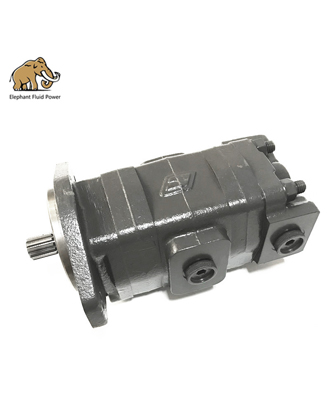
Swash plate pump K5V