Elephant Fluid Power Co., Ltd.

K5V pump

The K5V pump is a series of axial piston pumps manufactured by Kawasaki Heavy Industries, with common models including K5V80, K5V140, K5V180, K5V200, K5V212, and others. It finds extensive application in fields such as construction machinery.


First, Working Principle

The K5V pump is a piston pump operating on the principle of volumetric displacement. When the pump shaft drives the cylinder block to rotate, the angle between the swashplate and the cylinder block axis causes the pistons to reciprocate within their respective bore holes. As a piston extends outward, its chamber volume increases, creating a local vacuum. Under atmospheric pressure, hydraulic fluid from the reservoir enters this chamber through the suction port and the suction window in the distributor plate, completing the suction process. When the plunger retracts inward, the volume of the plunger chamber decreases, compressing the hydraulic fluid within and increasing its pressure. The pressurized fluid is then discharged through the pressure port window in the distributor plate and the pump's outlet port, entering the hydraulic system to complete the pressure delivery process.


Second, Product Features

1. Variable Control: Features multiple variable control methods, such as pressure-compensated control and load-sensing control. It automatically adjusts the pump's displacement based on system load requirements, achieving energy-efficient and high-performance operation.

2. High Efficiency & Stability: Utilizes advanced design and manufacturing techniques to achieve high volumetric and mechanical efficiency, delivering stable pressure oil to hydraulic systems.

3. High Reliability: Critical components are crafted from premium materials and undergo rigorous quality inspections, offering strong resistance to wear and impact. Designed for harsh operating environments with extended service life.

4. Easy Installation: Compact structure with optimized dimensions and standardized mounting interfaces facilitates seamless integration into hydraulic systems of various construction machinery.


Third, Application Scenarios

K5V pumps are widely used in diverse construction equipment such as excavators, loaders, cranes, and concrete pump trucks. They power the working mechanisms of these machines, driving operations like digging, loading, lifting, and pouring.


Fourth, Common Causes of K5V Pump Failures

Insufficient Pressure

1. Component Wear: Prolonged friction between the piston and cylinder block, or between the distributor plate and cylinder block, increases clearance, leading to hydraulic oil leakage and pressure loss. For instance, extended high-load operation in construction machinery accelerates wear on the piston and distributor plate.

2. Variable mechanism failure: This mechanism regulates pump displacement. Malfunctions like control piston sticking or spring damage prevent sufficient pressure output.

3. Insufficient suction: Clogged suction filters, excessively long or undersized suction lines, or low tank oil levels all reduce suction flow, affecting output pressure.

Insufficient Flow

1. Internal Leakage: Beyond leakage caused by wear between the piston and cylinder block or between the distributor plate and cylinder block, damage to other pump seals—such as shaft seals or O-rings—can also result in internal leakage, reducing actual output flow.

2. Improper Variable Mechanism Adjustment: If the variable mechanism fails to correctly adjust the pump's displacement according to system requirements—such as setting the displacement too low—it will lead to insufficient output flow.

3. Difficulties in Suction: Similar to the causes of poor suction during insufficient pressure, suction issues prevent the pump from drawing in sufficient oil, thereby affecting output flow.

Abnormal Noise and Vibration

1. Cavitation: Excessive resistance in the suction line, air ingress into the oil, or low suction port pressure can cause cavitation within the pump. When cavitation bubbles collapse in high-pressure zones, they generate intense noise and vibration.

2. Mechanical Failure: Internal pump components—such as worn bearings, seized pistons, or damaged swashplates—can disrupt the balance of moving parts, producing abnormal noise and vibration.


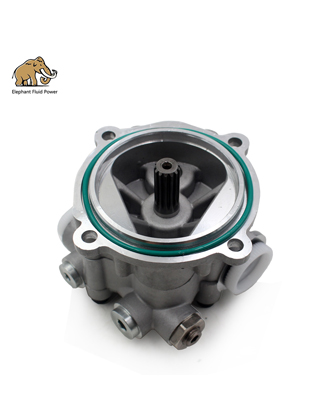
Kawasaki K5V pumps

Swash K5V pumps