French
Portuguese
Russian
German
Spanish
Japanese
Korean
Irish
Greek
Turkish
Italian
Danish
Romanian
Indonesian
Czech
Afrikaans
Swedish
Polish
Basque
Catalan
Esperanto
Hindi
Lao
Albanian
Amharic
Armenian
Azerbaijani
Belarusian
Bengali
Bosnian
Bulgarian
Cebuano
Chichewa
Corsican
Croatian
Dutch
Estonian
Filipino
Finnish
Frisian
Galician
Georgian
Gujarati
Haitian
Hausa
Hawaiian
Hebrew
Hmong
Hungarian
Icelandic
Igbo
Javanese
Kannada
Kazakh
Khmer
Kurdish
Kyrgyz
Latin
Latvian
Lithuanian
Luxembourg
Macedoniar
Malagasy
Malay
Malayalam
Maltese
Maori
Marathi
Mongolian
Burmese
Nepali
Norwegian
Pashto
Persian
Punjabi
Serbian
Sesotho
Sinhala
Slovak
Slovenian
Somali
Samoan
Scots Gaelic
Shona
Sindhi
Sundanese
Swahili
Tajik
Tamil
Telugu
Thai
Ukrainian
Urdu
Uzbek
Vietnamese
Welsh
Xhosa
Yiddish
Yoruba
Zulu
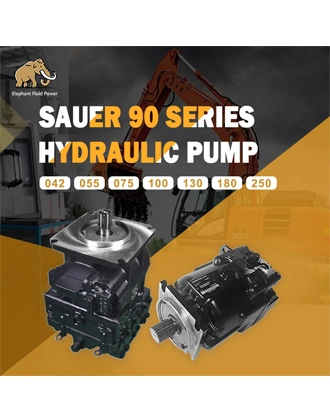
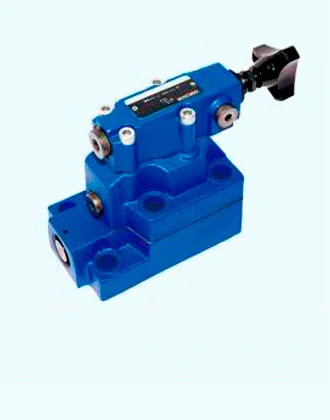
The hydraulic pump is the power component of the hydraulic transmission system. It is driven by the engine or the motor, sucks the oil from the hydraulic oil tank, produces the pressure oil and discharges it, and sends it to the executive components. Hydraulic pumps are divided into gear pumps, plunger pumps, vane pumps and screw pumps according to their structure.
The teeth of the two gears of the gear pump are separated from each other, forming a low pressure, the liquid is sucked in, and sent to the other side by the shell wall. On the other side, the two gears are closed together to form a high pressure to discharge the liquid.

When the plunger pump is working, the reciprocating action of the plunger in the cylinder makes the volume of the cylinder change repeatedly to suck in and discharge the fluid.

The vane pump is a pump in which the vanes in the rotor groove are in contact with the pump casing (stator ring), and the suctioned liquid is pressed from the oil inlet side to the oil discharge side.

The twin-screw pump is very similar to the gear pump. One screw rotates to drive the other screw. The liquid is intercepted in the meshing chamber, pushed in the direction of the rod axis, and then squeezed to the center to be discharged.

First of all, let me explain to you the working characteristics of the hydraulic pump used in the hydraulic press. At this time, the hydraulic pump is designed to minimize the liquid resistance of the oil suction pipeline. In the case of ensuring that the hydraulic pump can work normally, the hydraulic pump also needs to be The following criteria are met: The installation height of the hydraulic pump is within the limits. To adjust the speed of the hydraulic pump within the normal working range, it is necessary to eliminate the excessive pressure drop caused by the pipeline and the oil filter.
The working pressure of the hydraulic pump used by the hydraulic press is completely linked to its load. If the working pressure of the hydraulic pump is 0, the load of the hydraulic pump must also be 0. The working pressure of the hydraulic pump used by the hydraulic press is adversely affected by the structure and service life of the hydraulic pump.
Whether it is a new hydraulic cylinder or an old one, we must follow the normal operating steps of the hydraulic press, and both the hydraulic press or the hyd pump must be regularly inspected and maintained, so that the service life of our machinery and equipment will be enhanced.
The use of variable pump can make the adjustment of our hydraulic press more flexible and free. In fact, the life of the variable pressure pump used in our hydraulic press is completely linked to its usual working state. If the hydraulic press is at a normal speed in the normal working state, it is very beneficial to the life of our hydram pump. If it is running at high speed In this case, the loss of the variable pressure pump during the working process may be very large, and of course the service life will definitely be adversely affected.
Hydraulic machines use hydraulic pumps to absorb and discharge oil generally through the working chamber of the hydraulic machine. When our hydraulic machine fails in the process of work, we must not be careless or paralyzed. Major safety incident.