Elephant Fluid Power Co., Ltd.

The Composition and Advantages and Disadvantages of Hydraulic Pump

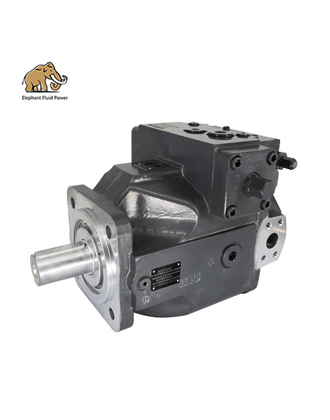
A hydraulic pump mainly consists of the following core components:


Power and Rotating Components: Drive shaft, bearings, swash plate (for variable displacement pumps), cylinder block, pistons, and slippers.


Porting and Sealing Components: Port plate (also called valve plate), housing, various seals (such as shaft seals, O-rings).


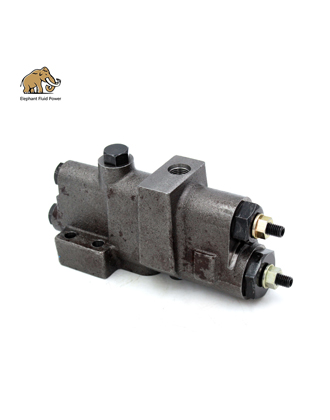
Auxiliary and Control Components: For variable displacement pumps, this also includes the variable mechanism (such as servo pistons, control valves), etc.


Maintenance Cycle

Key Items and Specific Operations

Daily Inspection

1. Listen for sounds: Check for smooth operation and any abnormal noises.
2. Check temperature: Touch the pump housing; it should normally be below 80°C. Investigate if overheating occurs.
3. Look for leaks: Check for oil seepage at shaft seals, joints, flanges, and other locations.
4. Monitor gauges: Observe if pressure and noise levels are stable and watch for abnormal fluctuations.

Regular Maintenance

1. Check and replace hydraulic fluid: Periodically sample the fluid. Replace immediately if discolored, emulsified, or if contamination exceeds limits. Always maintain the proper oil level in the tank.
2. Clean or replace filters: Regularly clean the suction filter and replace the return line filter element according to the manufacturer's specified intervals.
3. Tighten and clean: Tighten any potentially loose bolts and connections; clean oil stains from the pump surface.
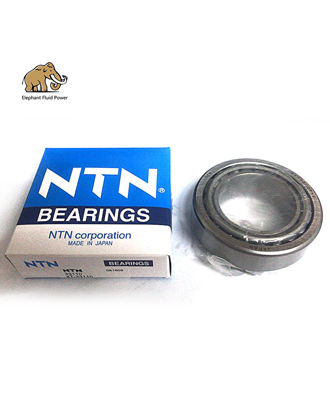
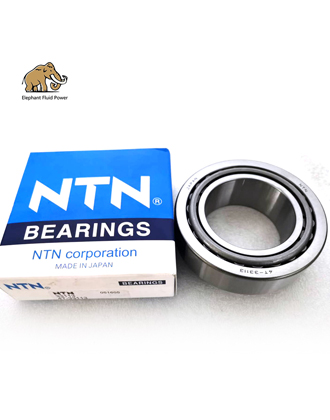
4. Key component inspection: For piston pumps, after approximately 3000 hours of operation, pay special attention to bearing condition. Address promptly if abnormal noise or excessive play occurs.

Long-Term Shutdown Maintenance

1. Drain and prevent rust: If shutting down long-term, drain fluid from the pump. Flush the interior if necessary.
2. Periodic rotation: During the shutdown period, manually rotate the drive shaft several turns at regular intervals to prevent corrosion and seizing of components.


Focus on Bearing Life: Bearings are critical components, with a typical design life of around 10,000 hours. Once this limit is reached or abnormalities occur (such as noise, vibration), replacement with original manufacturer specifications is recommended.


Guard Against Fluid Contamination: Maintaining clean hydraulic oil is the most effective way to extend pump life. Different pumps have varying requirements for filtration precision. Always use qualified filters.


Use Correct Lubricants: Avoid over-lubrication when greasing bearings. When assembling seals, use specialized rubber assembly lubricant. Never use regular engine oil or grease, as this can cause seals to corrode, swell, and fail.


Professional Repair and Parts: The clearances within the friction pairs of a piston pump (e.g., between pistons and cylinder block, slippers and swash plate) are extremely precise. For repairs (such as grinding the port plate) or replacement of core components, it is strongly recommended to have the work performed by qualified personnel using original or equivalent quality parts.


Elephant Fluid Power company boasts over a decade of manufacturing experience and is now the largest producer of hydraulic products in Northern China. We operate three specialized production lines equipped with advanced German manufacturing equipment. If you are interested in our products, please feel free to contact us for purchasing inquiries.


Keyword:hydraulic pump parts   Elephant Fluid Power company  maintenance period