French
Portuguese
Russian
German
Spanish
Japanese
Korean
Irish
Greek
Turkish
Italian
Danish
Romanian
Indonesian
Czech
Afrikaans
Swedish
Polish
Basque
Catalan
Esperanto
Hindi
Lao
Albanian
Amharic
Armenian
Azerbaijani
Belarusian
Bengali
Bosnian
Bulgarian
Cebuano
Chichewa
Corsican
Croatian
Dutch
Estonian
Filipino
Finnish
Frisian
Galician
Georgian
Gujarati
Haitian
Hausa
Hawaiian
Hebrew
Hmong
Hungarian
Icelandic
Igbo
Javanese
Kannada
Kazakh
Khmer
Kurdish
Kyrgyz
Latin
Latvian
Lithuanian
Luxembourg
Macedoniar
Malagasy
Malay
Malayalam
Maltese
Maori
Marathi
Mongolian
Burmese
Nepali
Norwegian
Pashto
Persian
Punjabi
Serbian
Sesotho
Sinhala
Slovak
Slovenian
Somali
Samoan
Scots Gaelic
Shona
Sindhi
Sundanese
Swahili
Tajik
Tamil
Telugu
Thai
Ukrainian
Urdu
Uzbek
Vietnamese
Welsh
Xhosa
Yiddish
Yoruba
Zulu
First, Excavator Hydraulic Pump parts Detailed Introduction
The excavator hydraulic pump assembly consists of a base frame, power transmission unit, and regulation control module. Core component differences among various pump types are concentrated in the working unit.
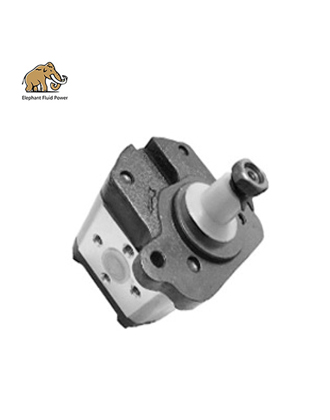
1. The core of the gear pump comprises the meshing gear set and pump body end cover. Two precision-matched gears rotate at high speed within the pump housing. They draw in oil into the low-pressure zone when disengaging and expel high-pressure oil through the outlet when meshing. Its advantages include simple structure, low cost, and minimal requirements for oil cleanliness, making it commonly used in the pilot systems of small excavators. Currently, domestically produced gear pumps can reach a maximum pressure of 25MPa, suitable for some light-duty excavation needs.
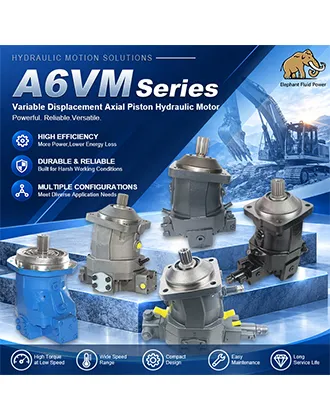
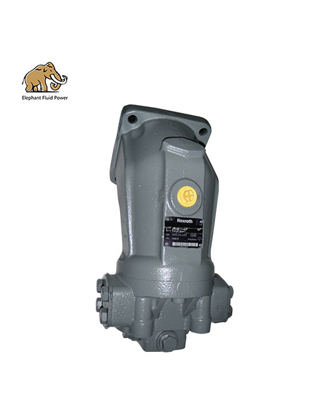
2. Axial piston pumps are standard equipment for excavators over 20 tons. Core components include the swashplate, piston cylinder block, and distributor plate. The engine drives the cylinder block to rotate at high speed. Under the combined force of centrifugal force and oil pressure, the pistons move in close contact with the swashplate. The reciprocating motion of the pistons within the cylinder block completes the oil suction and compression processes. Adjusting the swashplate angle flexibly alters the piston stroke, thereby controlling output flow to suit high-pressure applications like heavy-duty excavation and mining rock crushing. Modern excavator main pumps also integrate power regulators that automatically adjust swashplate angles based on load pressure, preventing engine overload.
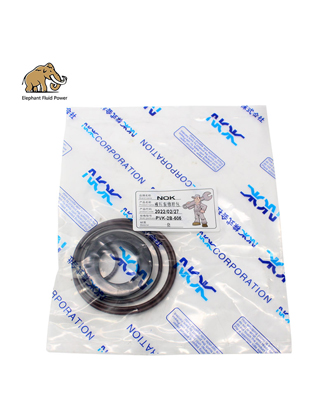
3. Hydraulic pumps for medium-to-large excavators typically employ a composite design, integrating a high-pressure plunger main pump and a low-pressure gear pilot pump within a single housing. The main pump supplies power to drive working components, while the pilot pump delivers low-pressure fluid to control the control circuit, enabling lighter and more precise operation. The pump housing also incorporates safety valves, unloading valves, and sealing assemblies. Safety valves limit the system's maximum pressure to prevent pump damage from abnormal pressure surges, while seals prevent fluid leakage and external contaminant ingress, extending pump service life.
Second, Maintenance of Excavator Hydraulic Pump parts
Maintenance of excavator hydraulic pumps encompasses three levels: daily inspections, periodic servicing, and predictive failure assessment. The core principles involve strictly controlling fluid contamination, precisely monitoring operating parameters, and promptly replacing wear parts.
1. Before daily operation, check the oil tank level to ensure it remains at 2/3 of the sight glass to prevent pump damage from cavitation due to insufficient fluid. After daily operation, wipe the pump body mating surfaces, shaft seals, and pipe joints with paper towels to check for minor leaks. Simultaneously clean the breather and suction filter to prevent dust contamination. Monitor oil temperature during operation; if it exceeds 80°C, immediately shut down to inspect the cooling system and install auxiliary cooling devices if necessary.
2. Adhere strictly to filter element and oil replacement intervals: Replace the pilot filter element every 200 hours. Clean the return oil filter element every 500 hours. Test hydraulic oil turbidity every 500 hours; replace immediately if exceeding NTU 8. Do not mix different brands of oil. When changing hydraulic oil, simultaneously clean the oil tank to prevent residual oil from contaminating the new oil. Conduct a pressure test on the pump body every 500 hours. If the main pump outlet pressure deviates from the rated value by more than 15%, disassemble and inspect the variable mechanism piston and servo valve spool. Replace any parts with wear exceeding 0.02mm promptly.
Elephant Fluid Power Technical team has many years of operation and service experience, Provide customers with professional hydraulic system solutions, Quality assurance of quality products, please contact us.
Excavator pump parts catalog
Excavator pump parts
Hydraulic pump parts