Elephant Fluid Power Co., Ltd.

Hydraulic Pump Not Working

If your hydraulic pump is not working, follow this structured troubleshooting guide to diagnose and resolve the issue


1. Quick Safety Checks


-- Power Source

Is the enginemotor running


Check for tripped breakers or blown fuses.

-- Hydraulic Fluid


Is the reservoir at the proper level


Is the oil contaminated (milky, dark, or gritty)

-- Mechanical Linkage


Is the pump shaft rotating (Sheared key or coupling failure can stop power transfer.)


2. Common Symptoms & Causes


Symptom Possible Causes Diagnostic Steps

No pressureflow - Clogged inlet filtersuction line

- Air in system (cavitation)

- Worn pump components 

1. Check inlet vacuum with gauge ( -0.5 bar = restriction)

2. Inspect fluid for foam (air ingress)

3. Test case drain flow (excessive flow = internal wear)


Lowerratic pressure - Faulty relief valve

- Internal leakage

- Incorrect viscosity oil 

1. Bypass relief valve to test

2. Check pump case drain for metal particles

3. Verify oil temperatureviscosity


Unusual noise - Cavitation (whining)

- Bearing failure (grinding)

- Aeration (gurgling) 

1. Inspect suction line for leaks

2. Check shaft alignment

3. Monitor pressure ripple


Overheating - Internal leakage

- Overpressurization

- Wrong oil type 

1. Measure case drain temperature

2. Verify system relief settings

3. Check cooler operation


3. Step-by-Step Diagnosis


A. Preliminary Tests

Flow Test

Disconnect outlet hose, direct flow into a bucket.

Expected Steady stream matching pump’s rated flow at given RPM.

If no flow Suction blockage or pump failure.


Pressure Test

Install gauge at pump outlet.

Deadhead the pump briefly (max 5 sec) – pressure should spike to relief valve setting.

If no pressure Internal leakage or relief valve stuck open.


Case Drain Check

Measure flow from pump’s case drain port (should be 10% of rated flow).

High flow = Severe internal wear (pistons, gears, or vanes).


B. Component-Specific Checks

Gear Pumps

Inspect gear teeth for scoring (use a borescope).

Check side plate wear (flatness tolerance 0.01mm).


Piston Pumps

Swashplate pivot wear (excessive play = no pressure).

Valve plate pitting (causes internal leakage).


Vane Pumps

Vane tip wear (should extend smoothly from rotor).

Cam ring elliptical profile damage.


4. Immediate Fixes to Try


- For air ingress

Tighten suction line connections.

Replace shaft seal if leaking. 

Prime the pump by cycling the system slowly.


- For clogged filters

Bypass the filter temporarily (for testing only).

Replaceclean filters (suction strainers often clog first).


- For incorrect oil

Drain and refill with recommended ISO-grade fluid. 

Check for water contamination (oil turns milky).


5. When to Replace vs. Repair


Repair if

Minor wear on sealsvalves. 

Contamination is the only issue (flush system).


Replace if 

Internal components are scored or warped.

Cost of partslabor exceeds 60% of new pump price.


6. Prevention Tips


Monitor fluid temperature (ideal 40–60°C).


Use a magnetic filter to catch ferrous wear particles.


Check alignment with laser tools (misalignment 0.05mm causes premature failure).


Need more help Provide


Pump model (e.g., A10VSO 45)


System pressureflow specs


Photos of leaksnoisy components


I can guide you through advanced diagnostics like pressure transducer waveform analysis or pump teardown inspection points. Let me know!


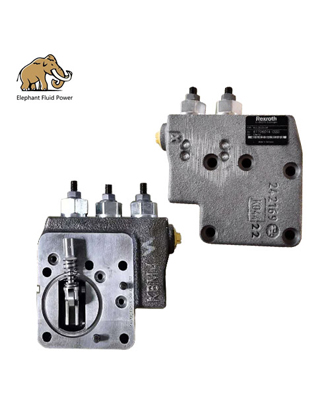
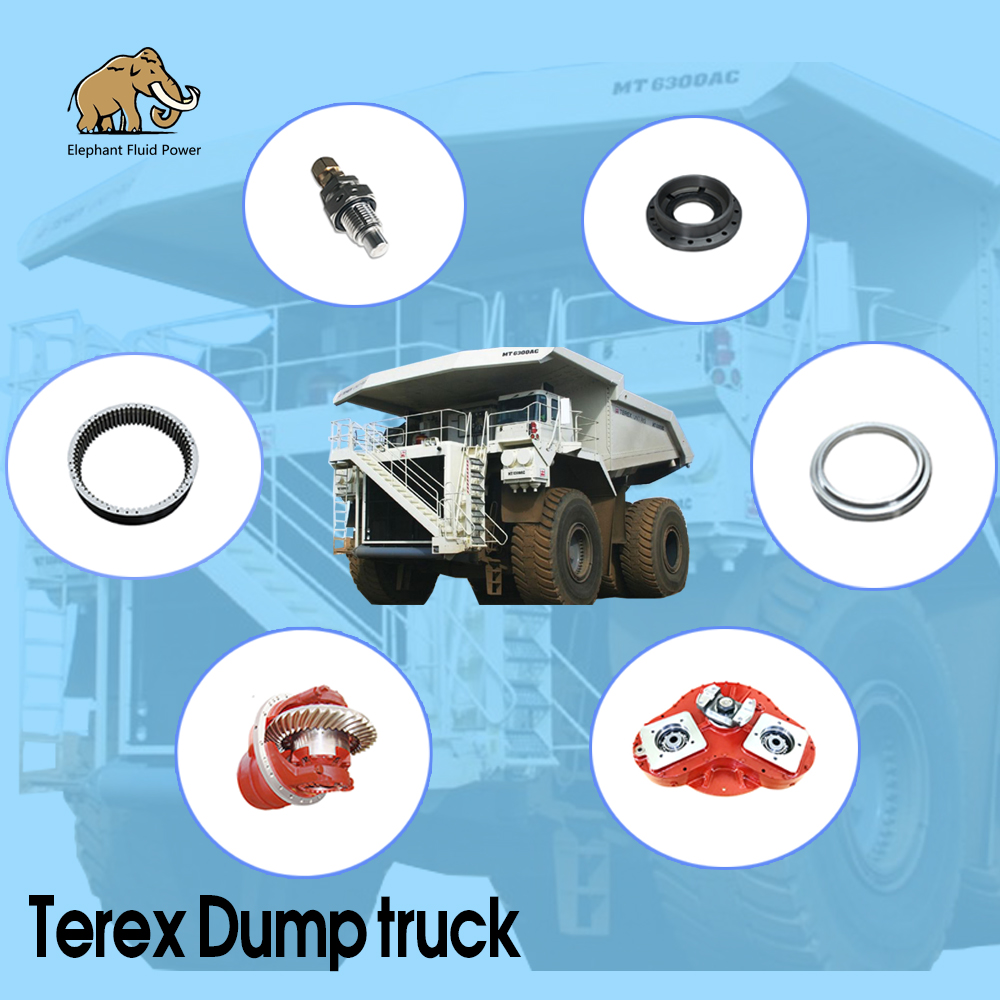
Elephant Fluid Power has dozens of standard parts and seal production workshops, We stock an extensive inventory of OEM & new aftermarket replacement piston pump parts for mobile and industrial applications. The piston pump spares include pumps from manufacturers such as Bosch, Vickers, Rexroth, Kawasaki, Hitachi, Denison, Linde, Komatsu, Sundstrand, Parker, Oilgear, and more.