French
Portuguese
Russian
German
Spanish
Japanese
Korean
Irish
Greek
Turkish
Italian
Danish
Romanian
Indonesian
Czech
Afrikaans
Swedish
Polish
Basque
Catalan
Esperanto
Hindi
Lao
Albanian
Amharic
Armenian
Azerbaijani
Belarusian
Bengali
Bosnian
Bulgarian
Cebuano
Chichewa
Corsican
Croatian
Dutch
Estonian
Filipino
Finnish
Frisian
Galician
Georgian
Gujarati
Haitian
Hausa
Hawaiian
Hebrew
Hmong
Hungarian
Icelandic
Igbo
Javanese
Kannada
Kazakh
Khmer
Kurdish
Kyrgyz
Latin
Latvian
Lithuanian
Luxembourg
Macedoniar
Malagasy
Malay
Malayalam
Maltese
Maori
Marathi
Mongolian
Burmese
Nepali
Norwegian
Pashto
Persian
Punjabi
Serbian
Sesotho
Sinhala
Slovak
Slovenian
Somali
Samoan
Scots Gaelic
Shona
Sindhi
Sundanese
Swahili
Tajik
Tamil
Telugu
Thai
Ukrainian
Urdu
Uzbek
Vietnamese
Welsh
Xhosa
Yiddish
Yoruba
Zulu
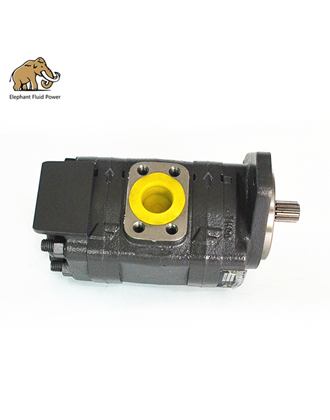
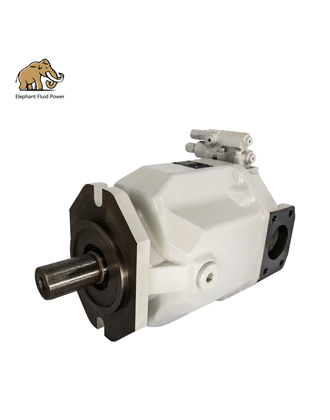
Hydraulic charge pumps are essential components of hydraulic systems, ensuring the steady flow of hydraulic fluid and maintaining system pressure. However, like any mechanical component, charge pumps can face issues that affect their performance. In this blog, we'll discuss common maintenance practices and troubleshooting techniques to keep hydraulic charge pumps operating smoothly.
Proper hydraulic fluid levels and quality are vital for charge pump performance. Regularly check the fluid level and ensure that it's clean and free from contaminants. Contaminated fluid can lead to increased wear and reduced pump efficiency. Seals prevent fluid leakage and maintain system pressure. Inspect seals for signs of wear, cracks, or leaks. Replace damaged seals promptly to prevent fluid loss and pressure drops. Charge pumps generate heat during operation. Ensure that the system's cooling mechanisms, such as fans or heat exchangers, are functioning correctly to prevent overheating. Excessive heat can lead to pump inefficiency and premature failure. Install high-quality hydraulic filters to prevent contaminants from entering the pump and system. Regularly inspect and replace filters as needed to maintain clean fluid and optimal pump performance.
If the hydraulic system's pressure is consistently lower than required, it could indicate a worn-out pump. Check for leaks, damaged seals, or worn components. If these are ruled out, the pump might need replacement or servicing. Strange noises from the pump could point to cavitation, worn bearings, or loose components. Investigate the source of the noise and take corrective action, which might involve adjusting fluid levels, repairing worn parts, or addressing air leaks. Overheating can lead to pump inefficiency and system damage. Inspect the cooling mechanisms, ensure proper fluid levels, and consider using fluids with better heat-resistant properties. If the hydraulic fluid flow is erratic, it could be due to a malfunctioning pump. Check for blockages, damaged components, or irregularities in the fluid supply. Ensuring proper fluid viscosity and pump calibration can also help resolve this issue. Excessive vibration and noise can indicate misalignment, imbalanced components, or loose fittings. Address these issues promptly to prevent further damage to the pump and surrounding components.
While basic maintenance and troubleshooting can address many issues, there are cases where professional expertise is necessary. If you encounter persistent problems or if the hydraulic charge pump's performance is severely compromised, consulting hydraulic system specialists or technicians is highly recommended. Their experience and diagnostic tools can help identify underlying issues and implement effective solutions.
In conclusion, maintaining hydraulic charge pumps is essential for the efficient operation of hydraulic systems. Regular maintenance practices, such as monitoring fluid quality and levels, inspecting seals, and ensuring proper cooling, can prevent issues before they escalate. Troubleshooting techniques, ranging from addressing low system pressure to diagnosing unusual noises, play a crucial role in identifying and resolving pump-related problems. By staying proactive and addressing issues promptly, operators can ensure the longevity and optimal performance of their hydraulic charge pumps and the systems they support.