French
Portuguese
Russian
German
Spanish
Japanese
Korean
Irish
Greek
Turkish
Italian
Danish
Romanian
Indonesian
Czech
Afrikaans
Swedish
Polish
Basque
Catalan
Esperanto
Hindi
Lao
Albanian
Amharic
Armenian
Azerbaijani
Belarusian
Bengali
Bosnian
Bulgarian
Cebuano
Chichewa
Corsican
Croatian
Dutch
Estonian
Filipino
Finnish
Frisian
Galician
Georgian
Gujarati
Haitian
Hausa
Hawaiian
Hebrew
Hmong
Hungarian
Icelandic
Igbo
Javanese
Kannada
Kazakh
Khmer
Kurdish
Kyrgyz
Latin
Latvian
Lithuanian
Luxembourg
Macedoniar
Malagasy
Malay
Malayalam
Maltese
Maori
Marathi
Mongolian
Burmese
Nepali
Norwegian
Pashto
Persian
Punjabi
Serbian
Sesotho
Sinhala
Slovak
Slovenian
Somali
Samoan
Scots Gaelic
Shona
Sindhi
Sundanese
Swahili
Tajik
Tamil
Telugu
Thai
Ukrainian
Urdu
Uzbek
Vietnamese
Welsh
Xhosa
Yiddish
Yoruba
Zulu
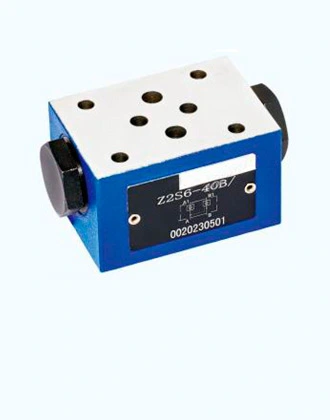
In the world of industrial machinery and equipment, control valves play a crucial role in regulating the flow of fluids and gases. Amongst these, cat control valves stand out for their precision and reliability. In this blog, we will delve into the basic principles of cat control valves to understand their importance and functionality in various applications.
CAT control valves, short for CATerpillar control valves, are essential components in hydraulic systems. They are designed to regulate the flow of hydraulic fluid to ensure smooth and precise operation of hydraulic machinery. CAT control valves are known for their durability and high performance, making them the preferred choice for many industries.
CAT control valves work on the principle of fluid flow regulation. When hydraulic fluid enters the valve, it encounters a series of passages and chambers that control the flow rate and direction. The valve's position is adjusted using a control mechanism, such as a lever or knob, which determines the amount of fluid passing through the valve. This precise control allows for the smooth operation of hydraulic systems.
CAT control valves are used in a wide range of applications, including construction equipment, mining machinery, agricultural machinery, and industrial plants. These valves play a critical role in controlling the movement of hydraulic cylinders, motors, and other hydraulic components. Whether it's lifting heavy loads, digging trenches, or moving materials, cat control valves ensure precise and efficient operation of hydraulic systems.
When selecting a cat control valve for your application, there are several factors to consider. These include the flow rate, pressure rating, temperature range, and compatibility with the hydraulic fluid. Additionally, you should consider the valve's construction, materials, and mounting options to ensure it meets the specific requirements of your hydraulic system. It is also important to select a valve from a reputable manufacturer, such as CATerpillar, to ensure quality and reliability.
Regular maintenance is essential to ensure the optimal performance of cat control valves. This includes inspecting the valve for leaks, cracks, or other signs of wear and tear, as well as cleaning and lubricating the valve components. In case of any issues, such as erratic operation or loss of pressure, troubleshooting should be performed to identify and rectify the problem. Consulting the manufacturer's guidelines and seeking professional assistance, if needed, can help in maintaining the functionality of cat control valves.
In conclusion, cat control valves are essential components in hydraulic systems, providing precise control over the flow of hydraulic fluid. By understanding the basic principles of cat control valves and their applications, you can ensure the efficient operation of your hydraulic machinery. Remember to consider the factors mentioned above when choosing a cat control valve and perform regular maintenance to prolong its lifespan. With proper care and attention, cat control valves can help you achieve optimal performance in your industrial operations.