Elephant Fluid Power Co., Ltd.

How to Service a Hydraulic Pump

Servicing a hydraulic pump involves preventive maintenance, inspection, and troubleshooting to ensure optimal performance and longevity. Below is a step-by-step guide for servicing common hydraulic pumps (gear, vane, and piston types).


1. Safety Precautions


 Before starting

- Depressurize the system – relieve all hydraulic pressure.

- Drain hydraulic oil into a clean container.

- Lock outtag out (LOTO) the power source to prevent accidental startup.

- Wear PPE (gloves, safety glasses).


2. Tools & Materials Needed


Basic Tools Wrenches, torque wrench, micrometer, dial indicator


Specialty Tools Bearing puller, seal installation kit


Cleaning Supplies Non-lint rags, solvent (ISO 3246 hydraulic oil-compatible)


Replacement Parts Seals, O-rings, gaskets (OEM recommended)


Testing Equipment Pressure gauge, flow meter


3. Step-by-Step Servicing Procedure


A. External Inspection

Check for leaks (shaft seals, fittings, housing).

Inspect hoses & connections (cracks, bulges, loose fittings). 

Listen for unusual noises (grinding = bearing failure; whining = cavitation).


B. Drain & Flush the System

Drain hydraulic oil – check for contamination (metal particles, water).

Flush the system if oil is dirty (use a compatible flushing fluid).

Replace filters (suction, pressure, return).


C. Pump Disassembly (Example Axial Piston Pump)

Remove the pump from the system.

Disassemble in order (refer to the service manual) 

Shaft seal & bearing retainer

Cylinder block & pistons

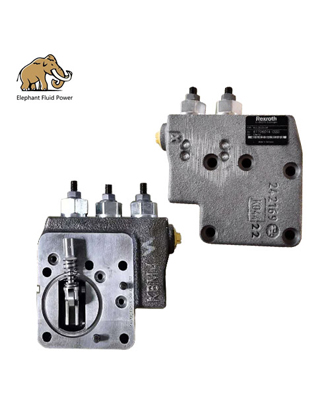
Swashplate & control valve

Inspect components for

Wearscoring (pistons, barrel, valve plate)

Crackedbroken parts (bearings, gears, vanes) 

Seal condition (hardenedcracked O-rings)


D. Cleaning & Reconditioning

Ultrasonic cleaning (for small parts) or manual cleaning with solvent.

Lappolish minor scratches on

Valve plates (piston pumps)

Side plates (gear pumps)

Cam rings (vane pumps) 

Measure clearances (compare to manufacturer specs)

Piston-to-bore clearance (max 0.02mm for Rexroth pumps)

Gear backlash (0.1mm) 

Bearing play (0.05mm)


E. Reassembly

Lubricate all parts with clean hydraulic oil before assembly.

Use new sealsO-rings (apply sealant if required).

Follow torque specs (critical for flange bolts, shaft nuts). 

Ensure proper alignment (use dial indicator if needed).


F. Testing After Service

Prime the pump (fill with oil, vent air). 

Start at low RPM – check for leaksnoises.

Gradually increase pressure while monitoring 

Flow rate (compare to rated performance) 

Pressure stability (no erratic spikes) 

Case drain flow (should be minimal)


4. Common Service Tasks by Pump Type


Pump Type Key Service Tasks

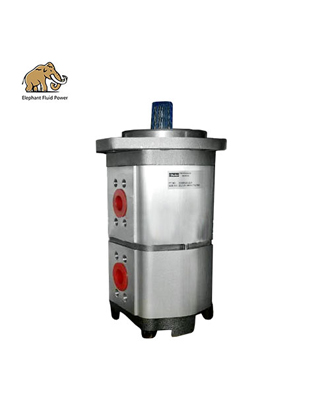
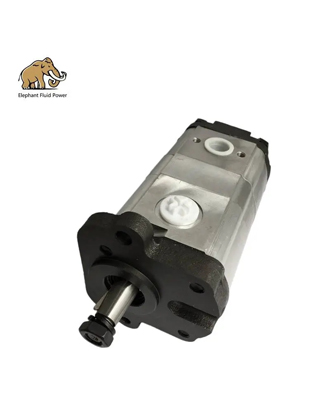
Gear Pump - Replace shaft seal

- Check gear wear

- Inspect bearings


Vane Pump - Replace vanes & cam ring

- Check rotor slots

- Inspect pressure compensator


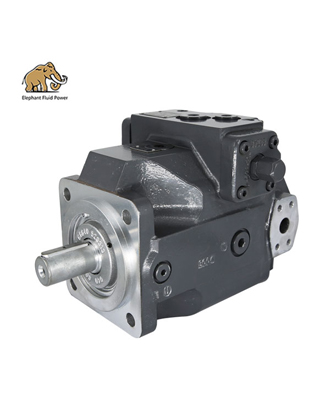
Piston Pump - Rebuild pistonbarrel assembly

- Check swashplate pivot

- Test control valve


5. Preventive Maintenance Schedule


- Daily Check oil level, listen for noises.

- Monthly Inspect filters, test pressure.

- Annually Full pump service, oil analysis.


6. When to Replace Instead of Repair


Replace the pump if 


Housing is cracked.


Major components (gears, pistons) are beyond machining tolerance.


Repair cost exceeds 60% of a new pump price.


Need Help with Your Specific Pump

If you provide


Pump model (e.g., A10VSO, PV7)


Symptoms (leaks, noise, low pressure)


I can guide you through model-specific disassembly or sourcing parts! 


Elephant Fluid Power has dozens of standard parts and seal production workshops, We stock an extensive inventory of OEM & new aftermarket replacement piston pump parts for mobile and industrial applications. The piston pump spares include pumps from manufacturers such as Bosch, Vickers, Rexroth, Kawasaki, Hitachi, Denison, Linde, Komatsu, Sundstrand, Parker, Oilgear, and more.