French
Portuguese
Russian
German
Spanish
Japanese
Korean
Irish
Greek
Turkish
Italian
Danish
Romanian
Indonesian
Czech
Afrikaans
Swedish
Polish
Basque
Catalan
Esperanto
Hindi
Lao
Albanian
Amharic
Armenian
Azerbaijani
Belarusian
Bengali
Bosnian
Bulgarian
Cebuano
Chichewa
Corsican
Croatian
Dutch
Estonian
Filipino
Finnish
Frisian
Galician
Georgian
Gujarati
Haitian
Hausa
Hawaiian
Hebrew
Hmong
Hungarian
Icelandic
Igbo
Javanese
Kannada
Kazakh
Khmer
Kurdish
Kyrgyz
Latin
Latvian
Lithuanian
Luxembourg
Macedoniar
Malagasy
Malay
Malayalam
Maltese
Maori
Marathi
Mongolian
Burmese
Nepali
Norwegian
Pashto
Persian
Punjabi
Serbian
Sesotho
Sinhala
Slovak
Slovenian
Somali
Samoan
Scots Gaelic
Shona
Sindhi
Sundanese
Swahili
Tajik
Tamil
Telugu
Thai
Ukrainian
Urdu
Uzbek
Vietnamese
Welsh
Xhosa
Yiddish
Yoruba
Zulu
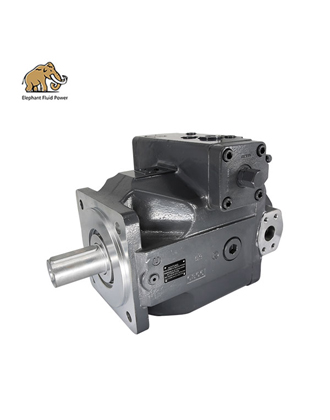
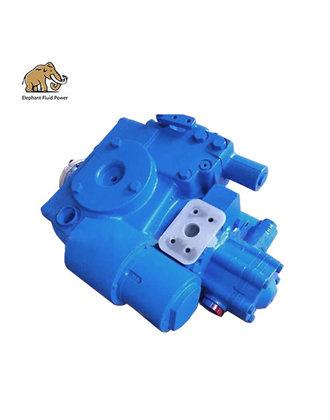
The hydraulic piston pump is one of the core components of the hydraulic transmission system. Its stability and efficiency directly affect the performance of the entire system. This article will discuss in detail the usage and maintenance precautions of the parts of hydraulic piston pump to help users better maintain the equipment and avoid common failures.
During the operation, hydraulic piston pumps may encounter various issues, mainly focusing on the wear and failure of the parts of hydraulic piston pump. Here are some common failures and their solutions:
Wear and Tear of Hydraulic Piston Pump Parts
With prolonged use, the parts of hydraulic piston pump may experience wear. For example, a malfunction in the buffer device can lead to excessive or ineffective buffering. Causes may include a throttle opening that is too small, improperclearance between the buffer piston and buffer ring, or clogging by dirt. The solution is to adjust the throttle opening to a suitable position and clean or replace the worn parts.
External Leakage of Hydraulic Piston Pump
External leakage issues are usually caused by poor assembly or seal quality problems. During the assembly process of the parts of hydraulic piston pump, issues such as misaligned end caps or incorrect installation of seals may occur, leading to hydraulic oil leakage. To avoid such problems, each part's installation quality needs to be carefully checked to ensure that seals are intact, and strict assembly control should be exercised.
Noise and Vibration of Hydraulic Piston Pump
High-frequency vibrations or noise in the hydraulic piston pump may be caused by loose screws, loose pipe joints, etc. Regularly check and tighten screws and pipe joints, and ensure that the installation position is stable, which can effectively reduce noise and vibration, ensuring the smooth operation of the hydraulic piston pump.
Maintenance of the parts of hydraulic piston pump is crucial for extending the service life of equipment. Here are some key maintenance and servicing suggestions:
Regular Inspection and Replacement of Hydraulic Oil
The quality of hydraulic oil directly affects the performance of the hydraulic piston pump. Regularly check the viscosity and cleanliness of the oil. Avoid using expired or degraded oil. Additionally, promptly replace seals and keep the oil clean to effectively reduce the wear and failure of hydraulic piston pump parts.
Cleaning and Inspection of Hydraulic Piston Pump Parts
In daily maintenance of the hydraulic piston pump, it's necessary to regularly clean the the parts of hydraulic piston pump, especially those prone to dirt accumulation and wear, such as buffer pistons and seals. Check the wear conditions of these parts and repair or replace them as needed to ensure the normal operation of the equipment.
Proper Use and Operation
Operators should be familiar with the hydraulic piston pump's user instructions, avoiding operating the pump under overload or inappropriate conditions. Correct operation can not only reduce the wear of hydraulic piston pump parts but also improve the overall efficiency of the equipment.
When selecting and replacing the parts of hydraulic piston pump, particular attention should be paid to the following points:
Ensure Compatibility of Parts
When replacing the parts of hydraulic piston pump, ensure the new parts are compatible with the existing equipment. Choosing parts that match the model and specifications can avoid operational issues and equipment damage caused by incompatibility.
Prompt Installation and Commissioning
After installing new parts, necessary commissioning should be conducted to ensure the hydraulic piston pump operates in optimal condition. During commissioning, attention should be paid to checking the compatibility of various components and making necessary adjustments and optimizations.
Through reasonable use, regular maintenance, and correct selection of hydraulic piston pump parts, the operational performance of the hydraulic piston pump can be effectively improved, and its service life extended. We hope the suggestions in this article will assist in managing your hydraulic system, keeping your equipment in optimal condition.