French
Portuguese
Russian
German
Spanish
Japanese
Korean
Irish
Greek
Turkish
Italian
Danish
Romanian
Indonesian
Czech
Afrikaans
Swedish
Polish
Basque
Catalan
Esperanto
Hindi
Lao
Albanian
Amharic
Armenian
Azerbaijani
Belarusian
Bengali
Bosnian
Bulgarian
Cebuano
Chichewa
Corsican
Croatian
Dutch
Estonian
Filipino
Finnish
Frisian
Galician
Georgian
Gujarati
Haitian
Hausa
Hawaiian
Hebrew
Hmong
Hungarian
Icelandic
Igbo
Javanese
Kannada
Kazakh
Khmer
Kurdish
Kyrgyz
Latin
Latvian
Lithuanian
Luxembourg
Macedoniar
Malagasy
Malay
Malayalam
Maltese
Maori
Marathi
Mongolian
Burmese
Nepali
Norwegian
Pashto
Persian
Punjabi
Serbian
Sesotho
Sinhala
Slovak
Slovenian
Somali
Samoan
Scots Gaelic
Shona
Sindhi
Sundanese
Swahili
Tajik
Tamil
Telugu
Thai
Ukrainian
Urdu
Uzbek
Vietnamese
Welsh
Xhosa
Yiddish
Yoruba
Zulu
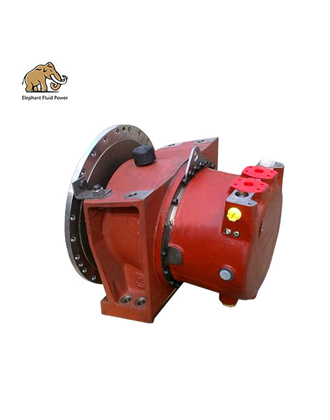
When selecting and using hydraulic motors, it is first necessary to fully understand the working performance and main characteristics of hydraulic motors, then conduct a comprehensive analysis based on different operational conditions, power requirements, component efficiency, lifespan, and reliability of different machines. This will help you make rational choices and use them effectively.
Performance and selection of low-speed hydraulic motors
The choice of low-speed hydraulic motors needs to consider its stability and output efficiency during work. Compared with high-speed hydraulic motors, they differ in speed and output torque and should be selected based on specific engineering needs.
Pressure comparison between multi-action motors and single-action motors
Due to their design characteristics, multi-action motors can usually withstand higher working pressure, making them suitable for conditions requiring high-pressure output. Single-action motors, however, have limitations in terms of pressure and should be evaluated and selected based on specific usage environments and requirements.
Speed and efficiency of hydraulic motors
The maximum speed and minimum stable speed of hyd motors have a significant impact on their operational efficiency and stability. There are differences in speed and efficiency between inner curve motors and crankshaft connecting rod motors, which necessitate technical comparisons and selections based on specific needs.
To ensure that hyd motors achieve the expected performance and lifespan, in addition to selecting high-quality products, it is important to follow these installation and operational guidelines strictly:
Usage conditions and precautions
During use, ensure that the working pressure and speed of the hydraulic motors are within acceptable limits, and avoid overloading and reverse rotation. Special attention should be paid to the safe operation of pump-type high-pressure sealed hydraulic motors.
The hydraulic system's oil should remain clean, with a filtration accuracy of no less than 25μm to avoid damage to pump parts and system failures.
Before starting the hyd motors, inject clean fluid into them to ensure effective lubrication of the internal friction pairs, thus extending their lifespan.
When installing hydraulic motors, ensure concentricity with other mechanical parts and use appropriate flexible connections to reduce axial and radial load impact on the hydraulic motors.
The leakage oil pipe of hydraulic motors should remain unobstructed and not be subjected to excessive back pressure. If necessary, use an individual return pipe to return oil to the tank.
After long periods of inactivity, hyd motors should undergo adequate preheating and no-load trial runs before restarting to ensure their performance can operate normally.
With this detailed introduction and suggestions on selecting and using hydraulic motors, it is believed that it will help you use hydraulic motors more rationally and effectively in actual engineering applications, enhancing the stability and operational efficiency of the equipment.