Elephant Fluid Power Co., Ltd.

Hydraulic pump parts types

Hydraulic pumps primarily consist of three types: gear pumps, vane pumps, and piston pumps. While the specific components vary by pump type, they generally share the following main elements:


First, Common parts of hydraulic pump

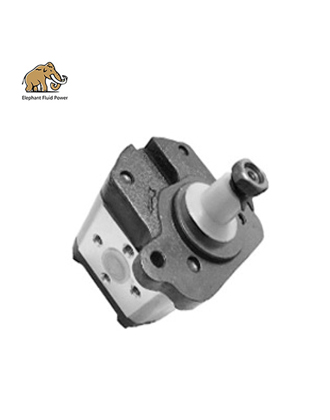
1. Pump Housing: Serving as the foundation of the entire hydraulic pump, it forms the external framework, providing the structural mounting and support for other components. The pump body contains various chambers and passages to accommodate and guide fluid flow. Its material typically possesses sufficient strength and rigidity to withstand the pressures and forces generated during pump operation.


2. Drive Shaft: Connected to the engine, its primary function is to transmit engine power to other pump components, enabling normal pump operation. It requires excellent torque transmission capability and rotational precision to ensure efficient and stable pump performance.


3. Inlet and Outlet Ports: These include the inlet port and outlet port. The inlet port draws hydraulic fluid from the reservoir, while the outlet port delivers pressurized fluid to other components of the hydraulic system. Their design must ensure smooth fluid flow while minimizing resistance and pressure loss.


Second, parts Unique to Different Pump Types

1. Gear Pump

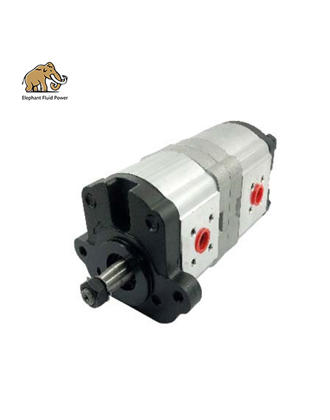
  • Gears: The core working components of a gear pump, typically consisting of a pair of meshing gears. The gear tooth profile and precision significantly impact pump performance. During rotation, the meshing and disengagement of gears facilitate the suction and discharge of oil.

  • Side Plates: Mounted on both sides of the gears, they provide sealing and support for the gears, reducing oil leakage and enhancing the pump's volumetric efficiency.


2. Vane Pump

  • Vane: Installed in the slots of the rotor, the vane slides against the inner surface of the stator under the combined action of centrifugal force and pressurized oil during rotor rotation. This alters the volume of the sealing chamber, enabling oil suction and discharge. The material and shape design of the vane affect pump performance and service life.

  • Stator: Its curved inner wall profile determines the blade movement pattern and volumetric changes within the sealing chamber, significantly influencing the pump's flow and pressure characteristics.

  • Rotor: Drives the blades in rotation, providing the motive force for blade movement to complete the pump's suction and discharge cycle.


3. Plunger Pump

  • Plunger and Cylinder: The plunger reciprocates within the cylinder bore, altering the sealed working chamber volume to achieve oil suction and discharge. Extremely high precision is required between the plunger and cylinder to ensure reliable sealing and motion accuracy.

  • Distributor Plate: Controls oil intake and discharge, ensuring proper fluid flow into and out of the cylinder during different stages of plunger movement. The design and manufacturing quality of the distributor plate directly impact pump efficiency and reliability.

  • Slanting Plate (Axial Piston Pump) or Cam (Radial Piston Pump): In axial piston pumps, the slanting angle of the plate determines the piston stroke, thereby controlling flow rate. In radial piston pumps, the cam profile curve dictates the piston's motion pattern.


Hydraulic pump parts list

Hydraulic pump replacement parts

Mechanical hydraulic pump parts