French
Portuguese
Russian
German
Spanish
Japanese
Korean
Irish
Greek
Turkish
Italian
Danish
Romanian
Indonesian
Czech
Afrikaans
Swedish
Polish
Basque
Catalan
Esperanto
Hindi
Lao
Albanian
Amharic
Armenian
Azerbaijani
Belarusian
Bengali
Bosnian
Bulgarian
Cebuano
Chichewa
Corsican
Croatian
Dutch
Estonian
Filipino
Finnish
Frisian
Galician
Georgian
Gujarati
Haitian
Hausa
Hawaiian
Hebrew
Hmong
Hungarian
Icelandic
Igbo
Javanese
Kannada
Kazakh
Khmer
Kurdish
Kyrgyz
Latin
Latvian
Lithuanian
Luxembourg
Macedoniar
Malagasy
Malay
Malayalam
Maltese
Maori
Marathi
Mongolian
Burmese
Nepali
Norwegian
Pashto
Persian
Punjabi
Serbian
Sesotho
Sinhala
Slovak
Slovenian
Somali
Samoan
Scots Gaelic
Shona
Sindhi
Sundanese
Swahili
Tajik
Tamil
Telugu
Thai
Ukrainian
Urdu
Uzbek
Vietnamese
Welsh
Xhosa
Yiddish
Yoruba
Zulu
The evolution of technology has greatly impacted the design, efficiency, and performance of piston pump hydraulic systems. From advancements in materials to the integration of smart features, innovations continue to shape the capabilities of these systems. In this blog, we'll explore some of the notable technological innovations that have transformed piston pump hydraulic systems.
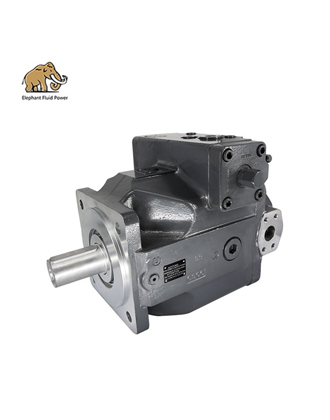
Variable displacement pumps have undergone significant advancements in recent years. These pumps can adjust their output based on the load requirements, leading to enhanced energy efficiency. New designs and technologies, such as servo-controlled variable displacement pumps, enable precise control over flow rates and pressures. This level of control optimizes energy utilization, reduces heat generation, and minimizes wear and tear on system components.
The fusion of hydraulic systems with electronic controls has given rise to electro-hydraulic hybrid systems. These systems combine the benefits of hydraulic power transmission with the precision and controllability of electronic systems. Electro-hydraulic hybrid systems use electric motors to drive hydraulic pumps, allowing for energy recovery during braking or deceleration. This recovered energy can then be stored and reused, contributing to overall system efficiency and reduced fuel consumption, especially in mobile applications like hybrid vehicles and construction equipment.
The integration of smart sensors and the Internet of Things (IoT) has revolutionized how piston pump hydraulic systems are monitored and controlled. Smart sensors placed strategically within the system continuously collect data on parameters such as pressure, temperature, fluid quality, and component health. This real-time data is then transmitted to a central control system or the cloud, where it is analyzed to detect anomalies, predict maintenance needs, and optimize system performance. Predictive maintenance based on data insights allows for proactive repairs and reduces downtime, enhancing overall system reliability.
Innovations in materials science have led to the development of high-performance materials and coatings that enhance the durability and efficiency of piston pump hydraulic systems. Components subjected to high pressures and wear, such as piston rings and cylinder surfaces, benefit from advanced coatings that reduce friction and extend component lifespan. Materials with improved corrosion resistance ensure the longevity of the system even in harsh operating conditions.
The technological innovations in piston pump hydraulic systems have reshaped the landscape of various industries, making them more efficient, versatile, and sustainable. From high-efficiency variable displacement pumps to electro-hydraulic hybrid systems and the integration of smart sensors, these advancements continue to drive progress in hydraulic power transmission. As technology evolves further, piston pump hydraulic systems will likely see even more innovations that enhance their performance, reliability, and environmental impact.